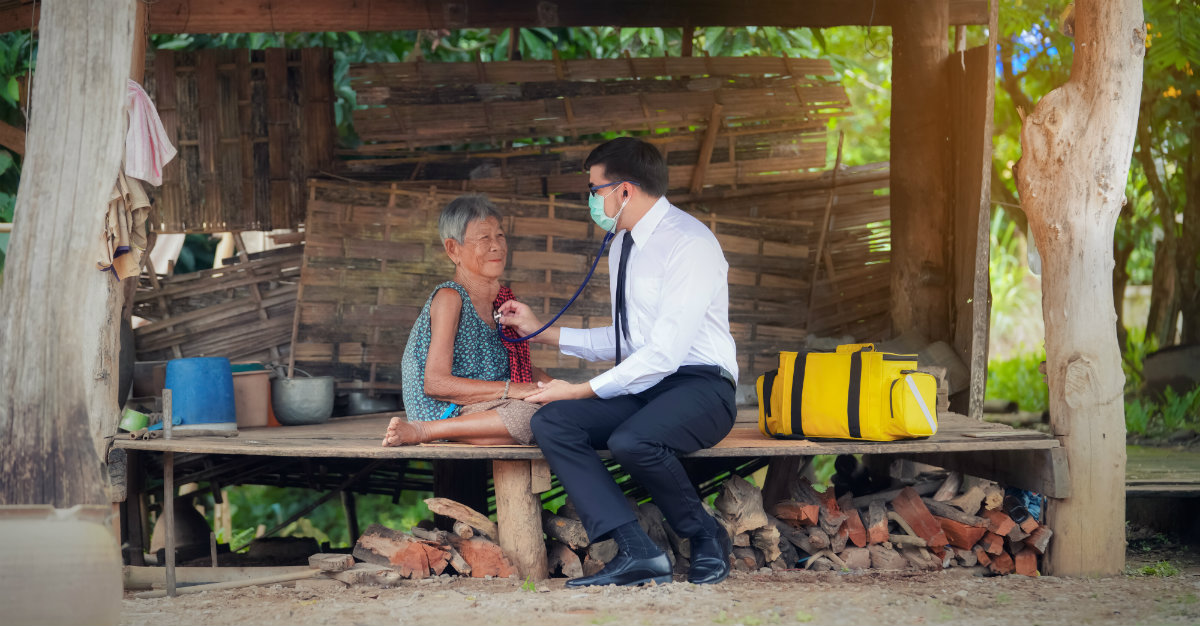
Voluntourism — a blend of volunteering and tourism — invites travelers to help communities while exploring new places. In recent years, it has gained popularity among people who want to do more than just sightsee. Especially after natural disasters, many are drawn to opportunities that promise meaningful impact. But does voluntourism truly help local people, or can it sometimes do more harm than good? This article explains both sides clearly and offers guidance to help you volunteer responsibly and ethically.
What Is Voluntourism?
Voluntourism is travel that combines service work with traditional tourism. Instead of focusing only on fun activities, voluntourists participate in social or development projects — from rebuilding after disasters to teaching, conservation, or community support. Ideally, these efforts help communities in need while giving volunteers a deeper cultural experience.
Benefits of Voluntourism
1. Extra Hands in Times of Need
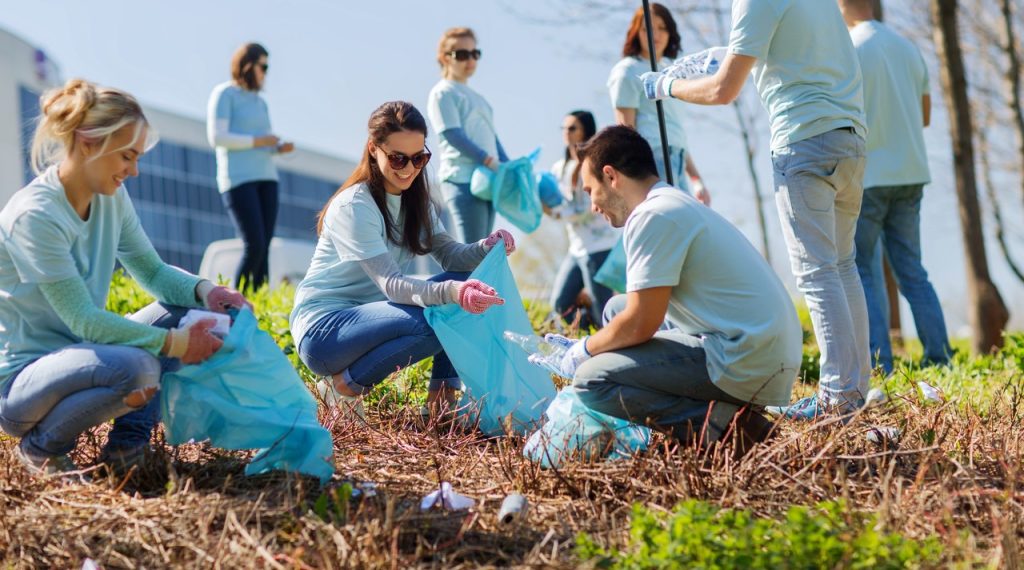
In regions hit by disasters or with limited local resources, voluntourists can help with immediate relief — such as clearing debris, constructing shelters, providing basic education, or supporting healthcare outreach. When local organizations need manpower or specialized skills, well-planned volunteer projects can accelerate recovery and support underserved populations.
2. Cultural Exchange and Broader Awareness
Living and working in a different culture allows voluntourists to gain insights into local life and challenges. This cultural immersion can build empathy, respect, and global awareness — benefits that go beyond any one trip. Many volunteers return home with a deeper understanding of global issues and a stronger commitment to advocacy.
3. Economic Support for Local Areas
Voluntourists typically pay for their travel, lodgings, and food. That spending can benefit the local economy, especially in small or disaster-affected communities. Many host families, local drivers, guides, restaurants, and small businesses depend on this private spending.
Risks and Criticisms of Voluntourism
Although well-intentioned, voluntourism has real downsides, especially when poorly organized.
1. Short-Term Impact and Lack of Sustainability
Many voluntourism programs last just a few weeks or days, which often isn’t enough time to understand complex local needs or make lasting change. Projects may start but not be completed, leaving communities with unfinished work and little follow-up support.
2. Dependency and Undermining Local Systems
When communities come to expect help from outside volunteers, they can become dependent on foreign assistance rather than strengthening local solutions. This can weaken long-term self-reliance and even discourage investment in permanent local infrastructure.
3. Displacement of Local Jobs
Volunteers who provide free labor can unintentionally displace paid local workers, reducing income for people who depend on that work. For example, untrained volunteers might be asked to build or repair facilities that locals could otherwise do for a wage.
4. Lack of Qualifications and Ethical Concerns
Not all volunteers are qualified for the tasks they are given — such as teaching, caregiving, or medical work — which can lead to subpar or even harmful outcomes. Programs that accept anyone who pays a fee may promote a “savior” mentality rather than genuine assistance.
Voluntourism in Disaster Zones: Extra Challenges
In disaster settings, there are additional risks. Improper disaster volunteering can:
- Strain local resources, as communities work to host volunteers while still coping with crisis recovery
- Distract from coordinated relief efforts, if not aligned with local agencies
- Increase safety risks when volunteers lack training in emergency response
For these reasons, experts emphasize that coordination with local leaders, NGOs, and relief authorities is essential before volunteering after a disaster.
How to Volunteer the Right Way
To make your voluntourism meaningful and ethical:
- Choose reputable organizations with transparent goals and clear breakdowns of where fees go.
- Learn about local needs before committing to a project.
- Ensure your skills match the tasks you’ll be asked to do.
- Support local leadership — not replace it.
- Think long-term, not just about your experience.
FAQs
What is voluntourism?
Voluntourism is travel that includes volunteering on community or development projects while exploring a place. It blends service with tourism for cultural exchange and support.
Can voluntourism truly help communities?
Yes — when the program is well-organized, community-led, and aligned with local priorities, voluntourism can support community goals and add economic value.
What are common problems with voluntourism?
Short-term impact, dependency, unqualified volunteer work, disruption of local jobs, and ethical concerns are common challenges identified by experts.
Is it ethical to volunteer in disaster zones?
Only if coordinated with local authorities and organizations. Unplanned volunteering can strain resources or interfere with professional relief efforts.
How can I choose a good voluntourism program?
Look for programs with local leadership, clear transparency about costs, meaningful work aligned with your skills, and strong community involvement.
Conclusion
Voluntourism offers an opportunity to contribute while exploring the world, but its impact varies widely. Done thoughtfully, it can bring resources, solidarity, and cross-cultural understanding. Done poorly, it may hurt local economies, create dependencies, or provide ineffective support. With careful planning, strong ethical standards, and respect for the communities you visit, voluntourism can be part of a responsible way to give back — especially when facing global challenges like disaster recovery.