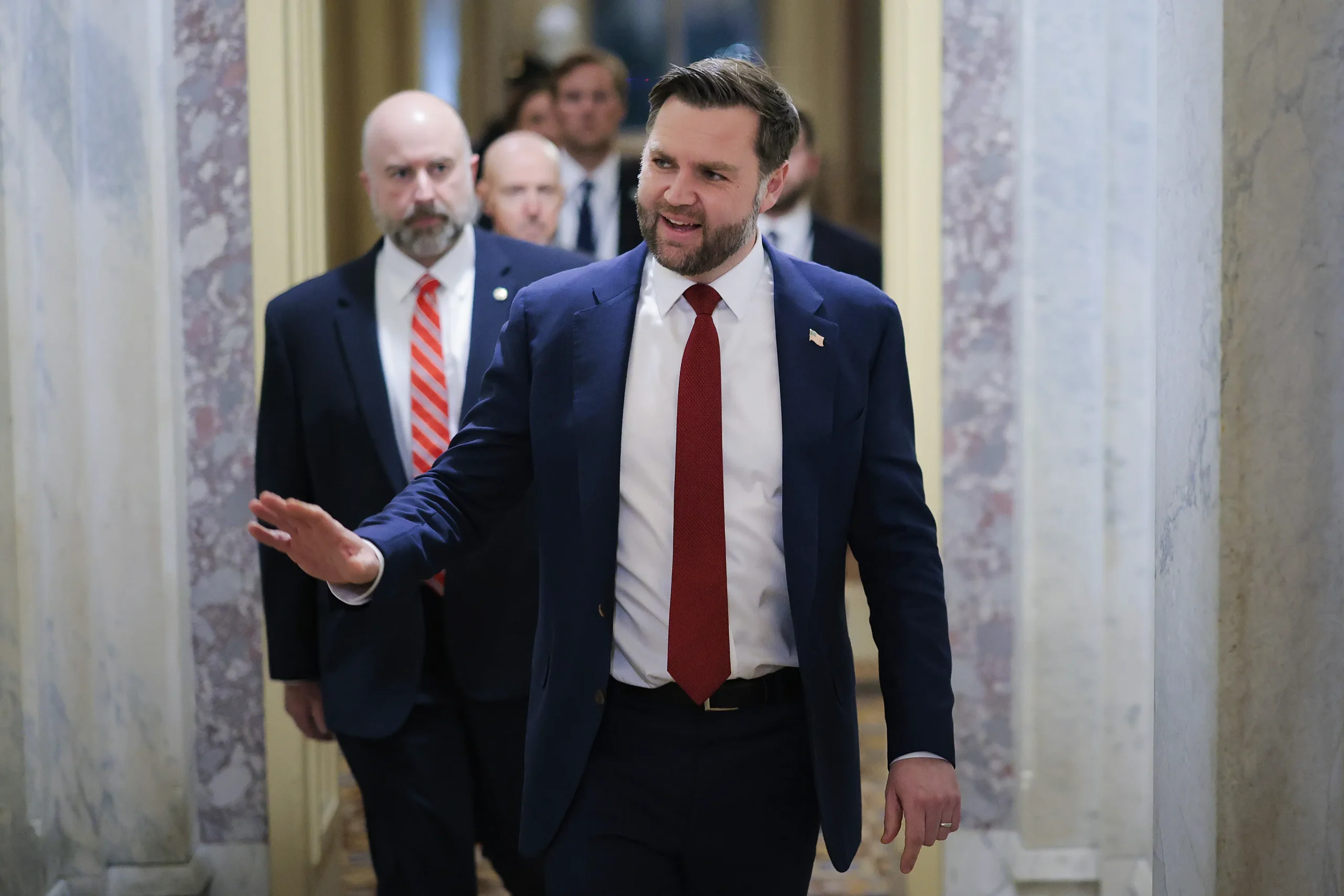
In late January 2026, President Donald Trump and Vice President JD Vance began publicly recognizing that Immigration and Customs Enforcement (ICE) has made errors during its operations. This represents a notable shift from the administration’s earlier position that defended Trump and Vance Acknowledge ICE without apology. The change comes amid growing public anger and ongoing protests in Minneapolis, where a controversial ICE operation led to the fatal shooting of a local woman and heated debates about federal immigration enforcement.
This article breaks down the evolving message from Trump and Vance, explains why the shift matters, and highlights ongoing tensions between federal officials and local leaders.
A Change in Tone on ICE Errors
Trump Acknowledges Mistakes
Recently, President Trump said publicly that ICE agents will sometimes make mistakes while enforcing immigration laws. He framed these incidents as part of the difficult work federal officers face, and described some outcomes as “regrettable.” This was a softer tone compared to earlier comments when the administration sharply defended ICE actions and blamed critics for misunderstanding operations.
Vance Echoes the Shift
Vice President JD Vance followed Trump’s softened rhetoric. On his way to Minneapolis — where protests have erupted — Vance said, “of course there have been mistakes made,” noting that errors can occur in any law enforcement agency. More importantly, he suggested disciplinary action could follow if misconduct is proven.
However, Vance did not fully retract past defenses. Rather than admitting ICE was wrong, he often tied mistakes to challenges ICE faces on the ground, especially when local officials are not cooperating with federal enforcement.
Why This Shift Matters
Public Anger and Protests
The shift in language comes after widespread public backlash over a deadly ICE shooting in Minneapolis on January 7, 2026. A local woman, Renee Good, was fatally shot by an ICE agent during a federal operation — sparking protests and criticism about use of force and accountability. Many Americans now view ICE tactics as excessive, and a majority believe the agency’s conduct has gone too far.
Another flashpoint was the detention of a five-year-old child during a raid, which drew sharp criticism from community members and civil rights advocates. Vance defended the action, saying the child’s father fled and that officers had no choice.
Political and Local Backlash
In Minneapolis, officials have resisted federal enforcement efforts. Mayor Jacob Frey and Minnesota Governor Tim Walz have criticized the federal presence as heavy-handed and counterproductive. They argue that cooperation between federal and local authorities is strained and that the aggressive tactics have deepened mistrust in the community.
Vance and the Trump administration have pushed back, claiming that cooperation from local law enforcement would reduce mistakes and chaos. Vance said local resistance has forced ICE agents to act under riskier conditions.
ICE Enforcement and Legal Questions
Use of Warrants and Legal Authority
Another point of controversy has been how ICE enters private homes. Reports indicate ICE may be using administrative warrants to enter residences for removal operations — a legal tool critics say should not replace traditional judicial warrants. Vance insists warrants remain part of the process unless an officer’s safety is threatened.
Federal Versus Local Control
The debate highlights a larger struggle between federal immigration enforcement and local governance. While Trump and Vance argue strict enforcement is needed for public safety and national immigration goals, local leaders stress community trust and constitutional rights should guide action.
Frequently Asked Questions (FAQs)
What prompted Trump and Vance to acknowledge ICE mistakes?
The change in language appears linked to public outrage over a controversial ICE operation in Minneapolis that resulted in the death of Renee Good and sparked protests, leading both leaders to acknowledge errors may occur.
Did Trump call the ICE shooting a mistake?
Trump described the incident as a “horrible thing” and said mistakes can happen, but he did not explicitly label the shooting as an ICE “mistake.”
What is the conflict between federal and local officials?
Local leaders in Minneapolis argue that federal enforcement undermines community trust and public safety, while federal officials say local cooperation is needed to reduce mistakes and chaos.
Will ICE agents face discipline for mistakes?
Vance suggested disciplinary action is possible when justified, signaling at least a rhetorical openness to accountability within ICE operations.
Is this a policy change on immigration enforcement?
So far, the acknowledgement of mistakes is a shift in rhetoric rather than a formal policy change. The administration continues to support aggressive immigration enforcement.
Conclusion
The recent remarks from President Trump and Vance Acknowledge that ICE “mistakes” occur mark a subtle shift in tone — but not necessarily a policy reversal. Both leaders continue to defend ICE’s mission while suggesting errors are part of law enforcement under difficult conditions. Yet widespread public frustration, ongoing protests in Minneapolis, and concerns from local officials have made blanket defense of ICE politically challenging. As debates continue, the nation watches for how federal and local authorities will navigate enforcement, accountability, and community trust.